
St Stephen’s Green Park: History and Nature
5 min read · By Paul-Emile Grisard
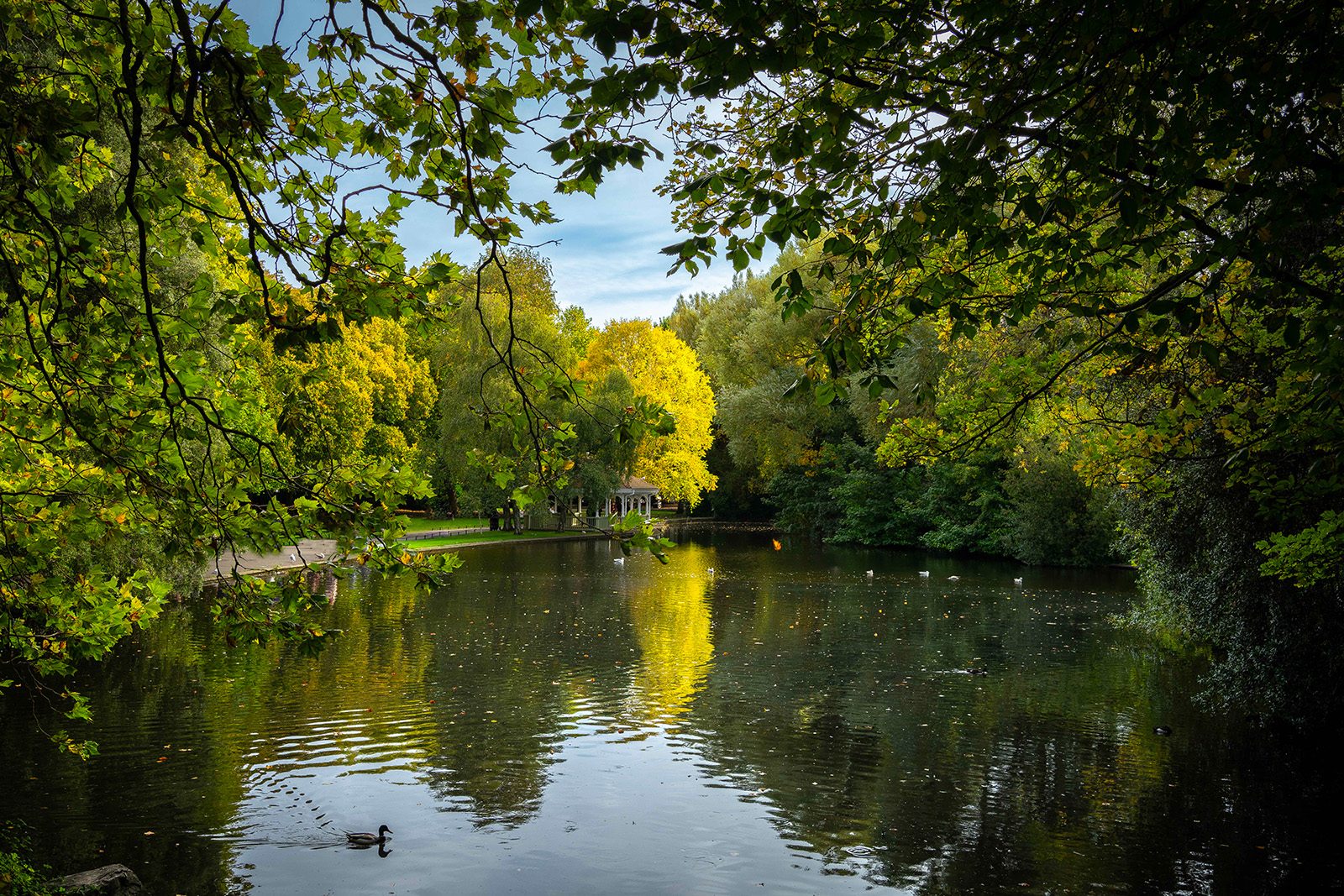
Photo 1 of 1
The entry
St Stephen’s Green is a living record of Dublin’s evolution. Tucked next to Grafton Street, this 22-acre oasis offers a quiet escape from the noise of the surrounding shopping districts.
Long before it was a manicured park, the area was a marshy common where locals grazed their livestock. That changed in 1663 when the city decided to wall it off and sell the surrounding land. This sparked the development of the elegant Georgian squares that still frame the park today.
For a long time, the Green was essentially a private club for the wealthy elite who lived in the surrounding mansions. It wasn't until the late 19th century, thanks to the generosity of Lord Ardilaun (of the Guinness family), that the park was reimagined as a public space. It finally opened its gates to all Dubliners in 1880.
The park also carries the weight of Ireland's political struggles. During the 1916 Easter Rising, the Green was a key site of conflict, occupied by Irish volunteers including Countess Markievicz. Today, the Fusiliers' Arch stands as a reminder of the city's complex military and political history.
The park is famous for its "Pulham" rockwork - artificial stone structures that create a rugged, natural look - and a series of bridges and waterfalls. Beyond the aesthetics, it serves as a vital sanctuary for urban wildlife. One of its most thoughtful additions is the sensory garden, specifically designed for blind and visually impaired visitors to experience nature through scent and touch.
 The sculptor's house.
 The widest street in Dublin.
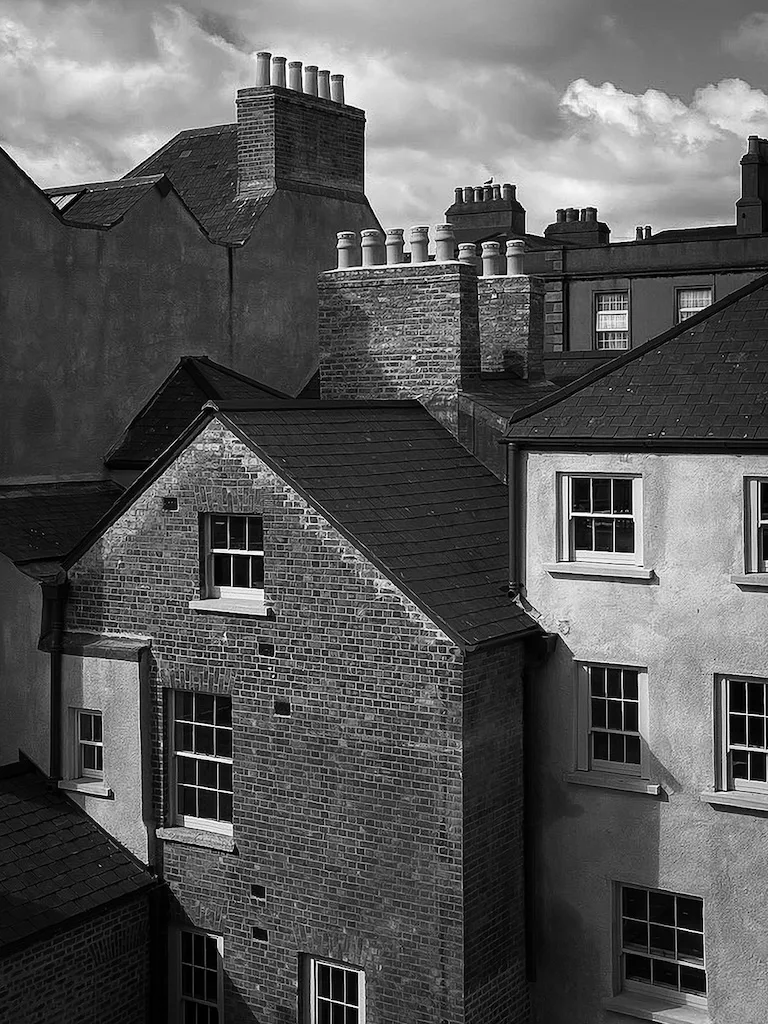 The twin chimneys of No. 23.
 The archway and the undertaker.
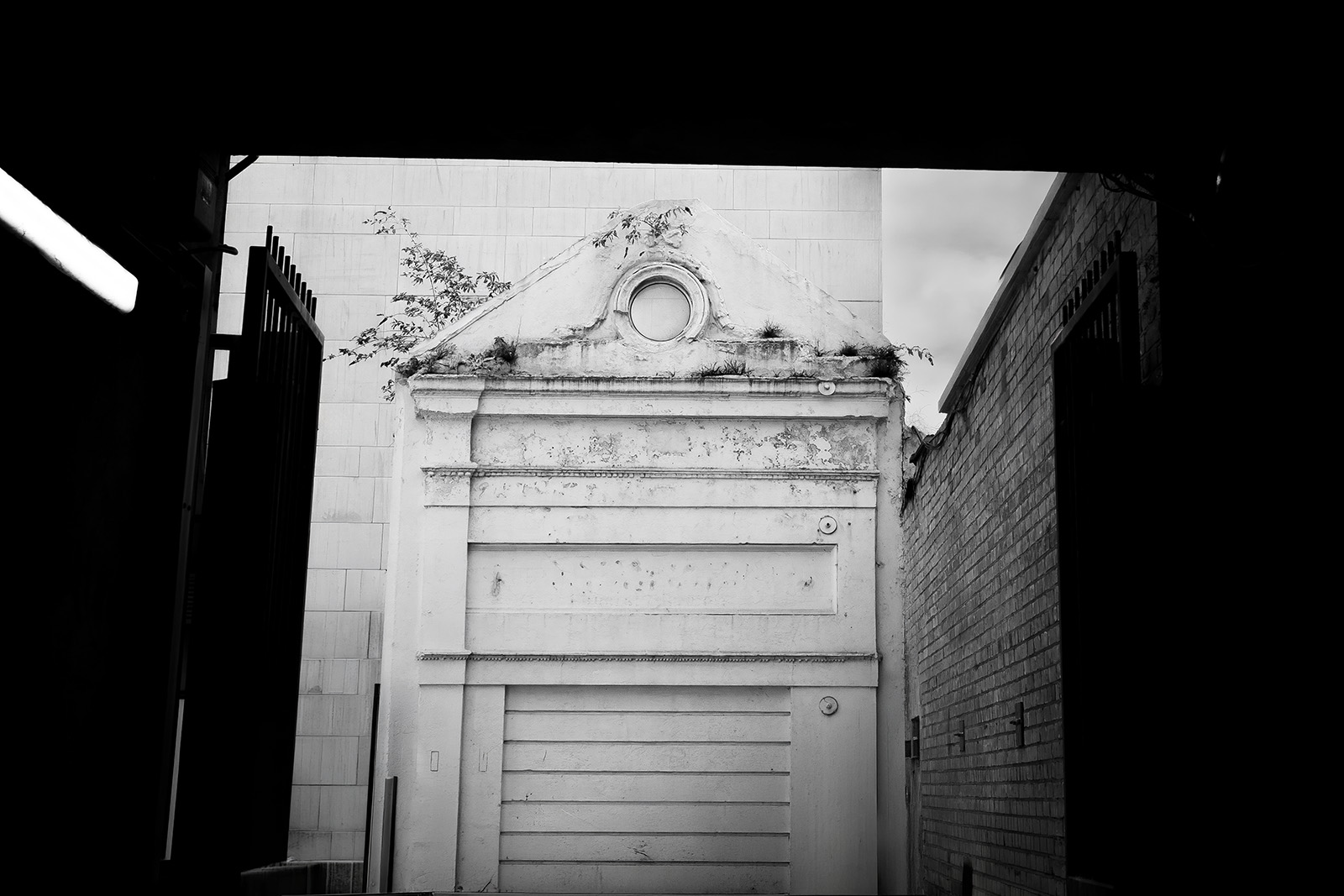 A stationer, a circulating library.
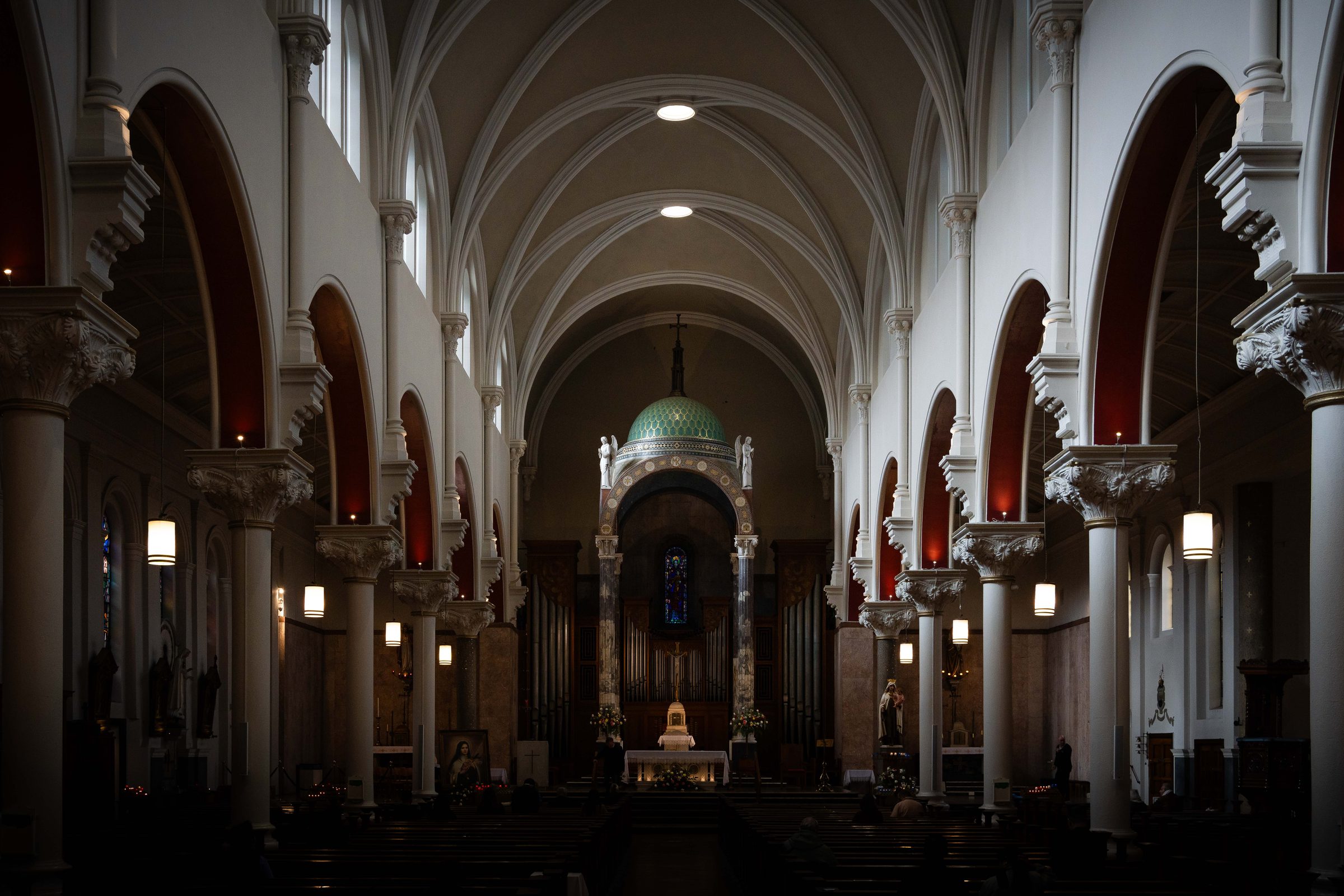 Beneath the Whitefriars.
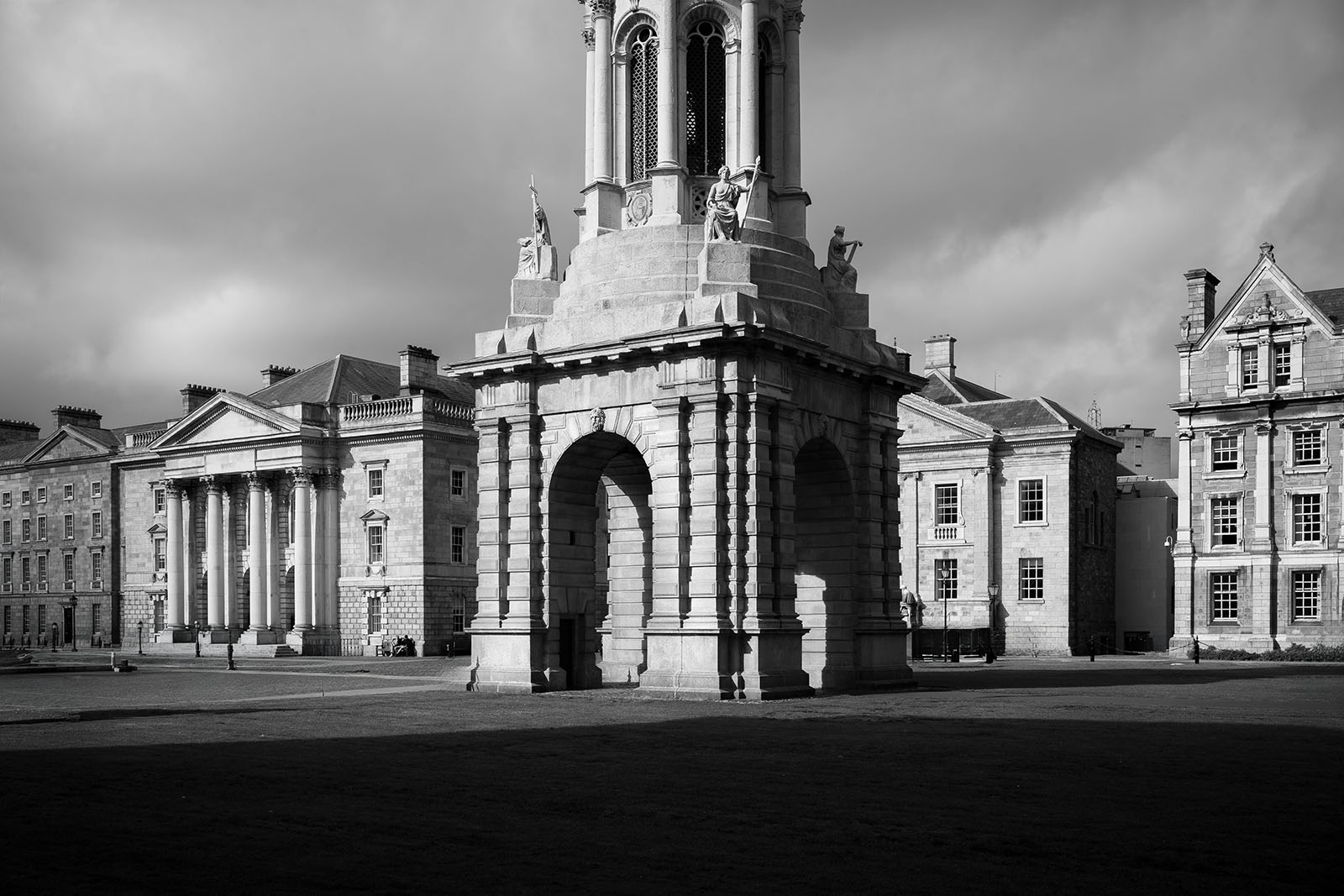 Trinity College: Where Tradition meets InnovationYou're hereSt Stephen’s Green Park: History and Nature
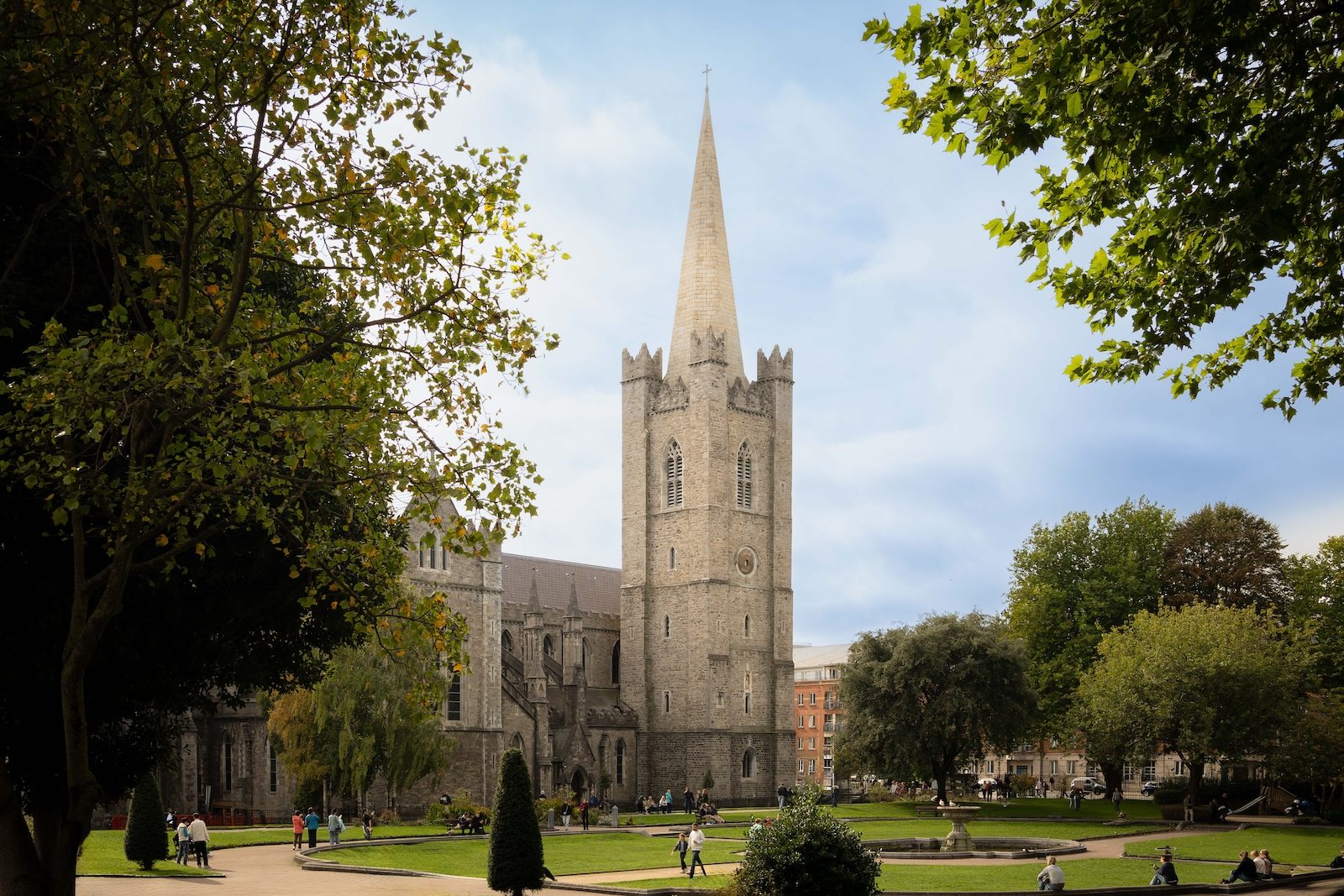 St. Patrick’s Cathedral: An Icon of Faith Through the Ages